สรรพคุณ / การใช้
อาการข้างเคียงที่พบ
ข้อมูลจากเอกสารกำกับยา ไม่ครบถ้วนทุกกรณี — โปรดปรึกษาเภสัชกรสำหรับรายละเอียดเต็ม
ส่วนประกอบ
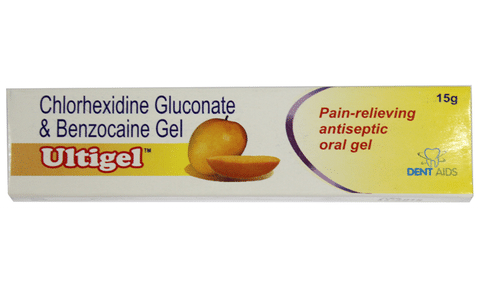
Benzocaine (10% w/w) + Chlorhexidine Gluconate (1% w/w)
1
Benzocaine
10% w/w
2
Chlorhexidine Gluconate
1% w/w
ฐานความรู้
Wikipedia
Chlorhexidine
Chlorhexidine is a disinfectant and antiseptic which is used for skin disinfection before surgery and to disinfect surgical instruments. It is also used for cleaning wounds, preventing dental plaque, treating yeast infections of the mouth, and to keep urinary catheters from blocking. It is used as a liquid or a powder. It is commonly used in salt form, either the gluconate or the acetate.
Chlorhexidine เป็นสารฆ่าเชื้อและสารต้านเชื้อ (antiseptic) ซึ่งใช้สำหรับฆ่าเชื้อที่ผิวหนังก่อนการผ่าตัด และใช้ฆ่าเชื้อเครื่องมือผ่าตัด นอกจากนี้ยังใช้สำหรับทำความสะอาดแผล ป้องกันคราบพลัคที่ฟัน รักษาการติดเชื้อยีสต์ในช่องปาก และป้องกันการอุดตันของสายสวนปัสสาวะ ใช้ได้ทั้งในรูปของเหลวและรูปผง โดยทั่วไปมักใช้ในรูปเกลือ ได้แก่ gluconate หรือ acetate
Grokipedia
Chlorhexidine
Chlorhexidine is a synthetic cationic bisbiguanide compound with broad-spectrum antimicrobial properties, effective against Gram-positive and Gram-negative bacteria, fungi such as Candida albicans, and certain viruses. It is included on the World Health Organization's List of Essential Medicines.[1] Its chemical formula is C₂₂H₃₀Cl₂N₁₀, featuring two p-chlorophenyl guanide units connected by a hexamethylene bridge, and it is most commonly employed in salt forms like gluconate or digluconate for enhanced water solubility and stability at physiological pH.[2][3]
Chlorhexidine เป็นสารประกอบสังเคราะห์ชนิดประจุบวก (cationic) ในกลุ่มบิสบิกวาไนด์ (bisbiguanide) ที่มีสมบัติต้านจุลชีพสเปกตรัมกว้าง มีประสิทธิผลต้านแบคทีเรียแกรมบวกและแกรมลบ เชื้อรา เช่น Candida albicans และไวรัสบางชนิด จัดอยู่ในบัญชียาหลักขององค์การอนามัยโลก [1] มีสูตรเคมี C₂₂H₃₀Cl₂N₁₀ ประกอบด้วยหน่วย p-chlorophenyl guanide สองหน่วยเชื่อมต่อกันด้วยสะพาน hexamethylene และมักถูกใช้ในรูปเกลือ เช่น gluconate หรือ digluconate เพื่อเพิ่มการละลายน้ำและความคงตัวที่ค่า pH ทางสรีรวิทยา [2][3]
แหล่งข้อมูลจากหน้าเว็บ 5
M
Chlorhexidine (oral route) - Side effects & dosage - Mayo Clinic
mayoclinic.org · อันดับ 1
Skip to content Care at Mayo Clinic Health Library For Medical Professionals Research & Education at Mayo Clinic Giving to Mayo Clinic Request appointment Regis…
H
Chlorhexidine: Uses, Benefits, and Side Effects
health.com · อันดับ 2
SKIP TO CONTENT HEALTH Newsletters NEWS CONDITIONS A - Z NUTRITION WELLNESS WHAT TO BUY ABOUT US Uses and Benefits of Chlorhexidine By Sherri Gordon Updated on …
M
Chlorhexidine (topical application route) - Side effects & dosage - Mayo Clinic
mayoclinic.org · อันดับ 3
Skip to content Care at Mayo Clinic Health Library For Medical Professionals Research & Education at Mayo Clinic Giving to Mayo Clinic Request appointment Regis…
N
Chlorhexidine: antiseptic and disinfectant for mouth ulcers, throat infections and skin infections - NHS
nhs.uk · อันดับ 4
Cookies on the NHS website We use some cookies to make this website work. Help improve online NHS services by also accepting analytics cookies. Your choice will…
W
Chlorhexidine oral rinse (Peridex, PerioGard, and others): Uses, Side Effects, Interactions, Pictures, Warnings & Dosing - WebMD
webmd.com · อันดับ 5
Skip to main content Conditions Drugs & Supplements Well-Being Symptom Checker Find a Doctor More Subscribe Log In Drugs & SupplementsChlorhexidine oral rinse (…