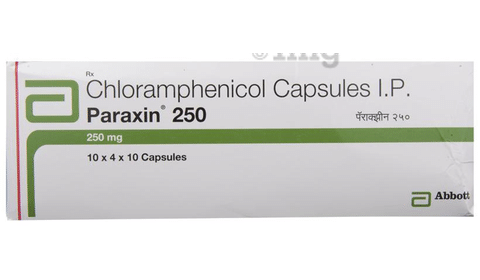
สรรพคุณ / การใช้
อาการข้างเคียงที่พบ
ข้อมูลจากเอกสารกำกับยา ไม่ครบถ้วนทุกกรณี — โปรดปรึกษาเภสัชกรสำหรับรายละเอียดเต็ม
ส่วนประกอบ
Chloramphenicol (250mg)
1
Chloramphenicol
250mg
ฐานความรู้
Wikipedia
Chloramphenicol
Chloramphenicol is an antibiotic useful for the treatment of a number of bacterial infections. This includes use as an eye ointment to treat conjunctivitis. By mouth or by injection into a vein, it is used to treat meningitis, plague, cholera, and typhoid fever. Its use by mouth or by injection is only recommended when safer antibiotics cannot be used. Monitoring both blood levels of the medication and blood cell levels every two days is recommended during treatment.
Chloramphenicol เป็นยาปฏิชีวนะที่ใช้รักษาการติดเชื้อแบคทีเรียได้หลายชนิด รวมถึงการใช้เป็นขี้ผึ้งทาตาเพื่อรักษาโรคเยื่อบุตาอักเสบ เมื่อรับประทานหรือฉีดเข้าหลอดเลือดดำ ใช้รักษาโรคเยื่อหุ้มสมองอักเสบ กาฬโรค อหิวาตกโรค และไข้รากสาดน้อย การใช้ยาโดยการรับประทานหรือฉีดเข้าหลอดเลือดดำแนะนำให้ใช้เฉพาะกรณีที่ไม่สามารถใช้ยาปฏิชีวนะที่ปลอดภัยกว่าได้ ระหว่างการรักษาแนะนำให้ติดตามระดับยาในเลือดและระดับเซลล์เม็ดเลือดทุก ๆ 2 วัน
Grokipedia
Chloramphenicol
Chloramphenicol is a broad-spectrum bacteriostatic antibiotic originally isolated from the soil bacterium Streptomyces venezuelae in 1947.[1][2] It inhibits bacterial protein synthesis by binding to the 50S subunit of the ribosome and preventing peptidyl transferase activity, thereby halting peptide chain elongation.[3][4] As the first antibiotic effective against both gram-positive and gram-negative bacteria as well as rickettsiae, it revolutionized treatment of serious infections like typhoid fever, scrub typhus, and Rocky Mountain spotted fever during its early years.[5] However, its clinical use has been severely curtailed since the 1960s due to dose-independent idiosyncratic aplastic anemia, a rare but potentially fatal bone marrow suppression occurring in approximately 1 in 25,000 to 40,000 exposures, alongside risks like gray baby syndrome in neonates from impaired hepatic glucuronidation.[6][3] Today, it remains reserved for life-threatening infections unresponsive to safer alternatives, primarily in topical forms for ocular or otic conditions or systemically in resource-limited settings where benefits outweigh risks.[4][7]
Chloramphenicol เป็นยาปฏิชีวนะที่ออกฤทธิ์แบบ bacteriostatic (ยับยั้งการเจริญของแบคทีเรีย) และมีสเปกตรัมกว้าง ซึ่งเดิมได้รับการแยกจากแบคทีเรียในดิน Streptomyces venezuelae ในปี พ.ศ. 2490 [1][2] ยานี้ออกฤทธิ์ยับยั้งการสร้างโปรตีนของแบคทีเรีย โดยจับกับหน่วยย่อย 50S ของไรโบโซม และยับยั้งการทำงานของ peptidyl transferase ทำให้การยืดต่อสายเปปไทด์หยุดลง [3][4] ในฐานะยาปฏิชีวนะตัวแรกที่มีประสิทธิภาพต่อแบคทีเรียแกรมบวกและแกรมลบ รวมถึงเชื้อ rickettsiae ยานี้ได้ปฏิวัติการรักษาการติดเชื้อรุนแรง เช่น ไข้รากสาดน้อย (typhoid fever), ไข้ป่า (scrub typhus) และ Rocky Mountain spotted fever ในช่วงแรก ๆ ของการใช้งาน [5] อย่างไรก็ตาม การใช้ทางคลินิกได้ถูกจำกัดอย่างมากตั้งแต่ทศวรรษ 2500 เนื่องจากภาวะ aplastic anemia (ไขกระดูกฝ่อ) แบบ idiosyncratic ซึ่งไม่ขึ้นกับขนาดยา เป็นภาวะการกดไขกระดูกที่พบได้น้อยแต่อาจถึงแก่ชีวิต โดยเกิดขึ้นประมาณ 1 ใน 25,000 ถึง 40,000 ครั้งของการได้รับยา รวมถึงความเสี่ยงอื่น ๆ เช่น กลุ่มอาการทารกสีเทา (gray baby syndrome) ในทารกแรกเกิด จากการทำงานของกระบวนการ glucuronidation ในตับที่บกพร่อง [6][3] ปัจจุบัน ยานี้ยังคงถูกสงวนไว้สำหรับการติดเชื้อที่คุกคามชีวิตซึ่งไม่ตอบสนองต่อทางเลือกที่ปลอดภัยกว่า โดยส่วนใหญ่ใช้ในรูปแบบ topical สำหรับภาวะทางตาหรือหู หรือใช้ทาง systemic ในพื้นที่ที่มีทรัพยากรจำกัดซึ่งประโยชน์มีมากกว่าความเสี่ยง [4][7]
แหล่งข้อมูลจากหน้าเว็บ 5
M
Chloramphenicol (oral route, intravenous route, injection route) - Side effects & dosage - Mayo Clinic
mayoclinic.org · อันดับ 1
Skip to content Care at Mayo Clinic Health Library For Medical Professionals Research & Education at Mayo Clinic Giving to Mayo Clinic Request appointment Regis…
M
Chloramphenicol - Infectious Disease - Merck Manual Professional Edition
merckmanuals.com · อันดับ 2
skip to main content Professional Consumer Professional edition active ENGLISH MERCK MANUAL Professional Version MEDICAL TOPICS RESOURCES DRUG INFO COMMENTARY P…
P
Chloramphenicol | C11H12Cl2N2O5 | CID 5959 - PubChem
pubchem.ncbi.nlm.nih.gov · อันดับ 3
An official website of the United States government Here is how you know NIH National Library of Medicine NCBI R PubChem About Docs Submit Contact Theme Setting…
N
Chloramphenicol: an antibiotic to treat bacterial infections - NHS
nhs.uk · อันดับ 4
Cookies on the NHS website We use some cookies to make this website work. Help improve online NHS services by also accepting analytics cookies. Your choice will…
M
Chloramphenicol - Infections - MSD Manual Consumer Version
msdmanuals.com · อันดับ 5
skip to main content Professional Consumer Consumer edition active ENGLISH MSD MANUAL Consumer Version HEALTH TOPICS HEALTHY LIVING SYMPTOMS EMERGENCIES DRUG IN…