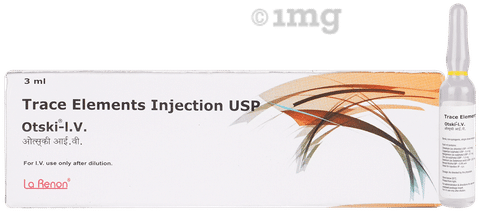
Otski
Otski Injection
🇮🇳จำหน่ายในอินเดีย
injection
ผู้ผลิตLa Renon Healthcare Pvt Ltd
แหล่งอ้างอิงเว็บ5 หน้า
สรรพคุณ / การใช้
อาการข้างเคียงที่พบ
ข้อมูลจากเอกสารกำกับยา ไม่ครบถ้วนทุกกรณี — โปรดปรึกษาเภสัชกรสำหรับรายละเอียดเต็ม
ส่วนประกอบ
Chromium (0.4mg) + Copper (0.4mg) + Manganese (0.1mg) + Selenium (0.02mg)
1
Chromium
0.4mg
2
Copper
0.4mg
3
Manganese
0.1mg
4
Selenium
0.02mg
ฐานความรู้
Wikipedia
Copper IUD
A copper intrauterine device (IUD), also known as an intrauterine coil, copper coil, or non-hormonal IUD, is a form of long-acting reversible contraception and one of the most effective forms of birth control available. It can also be used for emergency contraception within five days of unprotected sex. The device is placed in the uterus and lasts up to twelve years, depending on the amount of copper present in the device. It may be used for contraception regardless of age or previous pregnancy, and may be placed immediately after a vaginal delivery, cesarean delivery, or surgical abortion. Following its removal, fertility quickly returns.
อุปกรณ์ในโพรงมดลูกแบบทองแดง (copper IUD) หรือที่รู้จักกันในชื่อ intrauterine coil, copper coil หรือ non-hormonal IUD เป็นวิธีคุมกำเนิดแบบออกฤทธิ์ยาวนานที่สามารถกลับคืนได้ (long-acting reversible contraception) และเป็นหนึ่งในวิธีคุมกำเนิดที่มีประสิทธิภาพสูงสุดที่มีอยู่ นอกจากนี้ยังสามารถใช้เพื่อการคุมกำเนิดฉุกเฉินได้ภายใน 5 วันหลังมีเพศสัมพันธ์โดยไม่ได้ป้องกัน อุปกรณ์จะถูกใส่ไว้ในโพรงมดลูกและสามารถใช้ได้นานถึง 12 ปี ขึ้นอยู่กับปริมาณ copper ที่มีอยู่ในอุปกรณ์ สามารถใช้เพื่อการคุมกำเนิดได้โดยไม่จำกัดอายุหรือประวัติการตั้งครรภ์ และสามารถใส่ได้ทันทีหลังการคลอดทางช่องคลอด การผ่าคลอด (cesarean delivery) หรือการทำแท้งด้วยวิธีผ่าตัด หลังจากนำอุปกรณ์ออกแล้ว ภาวะเจริญพันธุ์จะกลับมาอย่างรวดเร็ว
Grokipedia
Copper IUD
The copper intrauterine device (Cu-IUD) is a small, T-shaped plastic frame wrapped with copper wire, inserted into the uterus as a long-acting, reversible, non-hormonal contraceptive method that prevents pregnancy primarily through the spermicidal effects of released copper ions, which induce a local inflammatory response impairing sperm motility, viability, and fertilization capability.[1][2] Approved for use up to 10-12 years depending on the model, it exhibits high efficacy with a failure rate of less than 0.8% in the first year of typical use, outperforming many other contraceptive options while avoiding systemic hormonal exposure.[3][4] The device can also serve as emergency contraception when inserted within five days of unprotected intercourse, achieving over 99% effectiveness in preventing implantation of a fertilized egg.[5][6] Notable advantages include immediate reversibility upon removal and suitability for nulliparous women or those with contraindications to hormones, though empirical data indicate frequent side effects such as heavier menstrual bleeding and dysmenorrhea, leading to discontinuation rates of 10-15% within the first year, higher than hormonal alternatives.[3][7] Rare but serious risks encompass uterine perforation (1-2 per 1,000 insertions) and expulsion (2-10%), with causal evidence linking these to insertion technique and individual anatomical factors rather than inherent device flaws.[3][1]
ห่วงอนามัยภายในโพรงมดลูกชนิดมีทองแดง (Copper intrauterine device; Cu-IUD) เป็นอุปกรณ์ขนาดเล็กมีโครงพลาสติกรูปตัว T หุ้มด้วยลวดทองแดง ใส่เข้าไปในโพรงมดลูกเป็นวิธีคุมกำเนิดแบบออกฤทธิ์ยาวนาน สามารถกลับสู่ภาวะเดิมได้ และไม่ใช้ฮอร์โมน ซึ่งป้องกันการตั้งครรภ์เป็นหลักโดยอาศัยฤทธิ์ฆ่าอสุจิของไอออนทองแดงที่ปล่อยออกมา ซึ่งทำให้เกิดการตอบสนองอักเสบเฉพาะที่ ทำให้การเคลื่อนที่ ความมีชีวิต และความสามารถในการปฏิสนธิของอสุจิบกพร่อง[1][2] ได้รับการรับรองให้ใช้ได้นานถึง 10–12 ปี ขึ้นอยู่กับรุ่น มีประสิทธิภาพสูงโดยมีอัตราความล้มเหลวน้อยกว่า 0.8% ในปีแรกของการใช้งานทั่วไป ซึ่งดีกว่าวิธีคุมกำเนิดอื่น ๆ หลายวิธี และหลีกเลี่ยงการสัมผัสฮอร์โมนทั่วร่างกาย[3][4] อุปกรณ์นี้ยังใช้เป็นการคุมกำเนิดฉุกเฉินได้เมื่อใส่ภายใน 5 วันหลังมีเพศสัมพันธ์โดยไม่ได้ป้องกัน โดยมีประสิทธิภาพมากกว่า 99% ในการป้องกันการฝังตัวของไข่ที่ได้รับการปฏิสนธิ[5][6] ข้อดีที่น่าสังเกต ได้แก่ สามารถกลับสู่ภาวะปกติได้ทันทีเมื่อถอดออก และเหมาะสำหรับหญิงที่ไม่เคยคลอดบุตรหรือผู้ที่มีข้อห้ามต่อฮอร์โมน แต่ข้อมูลเชิงประจักษ์ชี้ว่ามีผลข้างเคียงที่พบบ่อย เช่น ประจำเดือนมามากและปวดประจำเดือน ส่งผลให้อัตราการหยุดใช้อยู่ที่ 10–15% ภายในปีแรก ซึ่งสูงกว่าทางเลือกแบบใช้ฮอร์โมน[3][7] ความเสี่ยงที่พบได้น้อยแต่รุนแรง ได้แก่ การเจาะทะลุมดลูก (1–2 รายต่อการใส่ 1,000 ครั้ง) และการหลุดออก (2–10%) โดยหลักฐานเชิงสาเหตุเชื่อมโยงสิ่งเหล่านี้กับเทคนิคการใส่และปัจจัยทางกายวิภาคของแต่ละบุคคล มากกว่าข้อบกพร่องโดยธรรมชาติของอุปกรณ์[3][1]
แหล่งข้อมูลจากหน้าเว็บ 5
H
Copper IUD: Side Effects, Effectiveness, How It Works, and More
healthline.com · อันดับ 1
Health Conditions Wellness Tools Featured Connect Subscribe Sign in SEXUAL HEALTH Birth control STIs HIV HSV Activity Relationships Everything You Need to Know …
M
Copper IUD (ParaGard) - Mayo Clinic
mayoclinic.org · อันดับ 2
Skip to content Care at Mayo Clinic Health Library For Medical Professionals Research & Education at Mayo Clinic Giving to Mayo Clinic Request appointment Regis…
P
Non-Hormonal IUDs
plannedparenthood.org · อันดับ 3
Go to Content Español GET CARE LEARN GET INVOLVED SEARCH DONATE What are non-hormonal IUDs? In This Section IUD How effective are IUDs? How can I get an IUD? Wh…
P
What’s different about Miudella, the new copper IUD?
plannedparenthood.org · อันดับ 4
Go to Content GET CARE LEARN GET INVOLVED SEARCH DONATE Birth Control What’s different about Miudella, the new copper IUD? May 1, 2026 3 min read By Silvia @ Pl…
P
Paragard IUD | Hormone-Free Copper Birth Control
paragard.com · อันดับ 5
FOR HEALTHCARE PROFESSIONALS PRESCRIBING INFORMATION HEALTHCARE PROVIDER LOCATOR SIGN UP ES How Paragard Works Getting Paragard Living with Paragard Resources &…