สรรพคุณ / การใช้
อาการข้างเคียงที่พบ
ข้อมูลจากเอกสารกำกับยา ไม่ครบถ้วนทุกกรณี — โปรดปรึกษาเภสัชกรสำหรับรายละเอียดเต็ม
ส่วนประกอบ
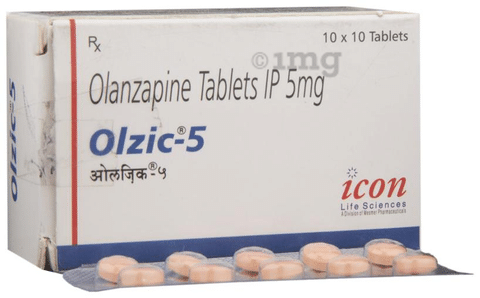
Olanzapine (5mg)
1
Olanzapine
5mg
ฐานความรู้
Wikipedia
Olanzapine
Olanzapine, sold under the brand name Zyprexa among others, is an atypical antipsychotic primarily used to treat schizophrenia and bipolar disorder. It is also sometimes used off-label in cancer patients for treatment of chemotherapy-induced nausea and vomiting and as an appetite stimulant. For schizophrenia, it can be used for both new-onset disease and long-term maintenance. It is taken by mouth or by injection into a muscle.
Olanzapine จำหน่ายภายใต้ชื่อการค้า Zyprexa และชื่ออื่น ๆ เป็นยาแก้ประสาทหลอนกลุ่มอะไทปิคัล (atypical antipsychotic) ซึ่งใช้เป็นหลักสำหรับรักษาโรคจิตเภท (schizophrenia) และโรคอารมณ์สองขั้ว (bipolar disorder) นอกจากนี้บางครั้งยังใช้นอกเหนือข้อบ่งชี้ (off-label) ในผู้ป่วยมะเร็ง เพื่อรักษาคลื่นไส้อาเจียนที่เกิดจากเคมีบำบัด และใช้เป็นยากระตุ้นความอยากอาหาร สำหรับโรคจิตเภท สามารถใช้ได้ทั้งในผู้ป่วยที่เพิ่งเริ่มมีอาการและเพื่อการรักษาต่อเนื่องระยะยาว ให้ยาโดยการรับประทานหรือฉีดเข้ากล้ามเนื้อ
Grokipedia
Olanzapine
Olanzapine is an atypical antipsychotic medication of the thienobenzodiazepine class primarily used to treat schizophrenia and bipolar I disorder, including manic or mixed episodes.[1][2] Developed by Eli Lilly and Company and marketed under the brand name Zyprexa, it received FDA approval on September 30, 1996, for schizophrenia in adults and later for adolescents aged 13 and older, as well as bipolar disorder.[3][4] Olanzapine exerts its therapeutic effects mainly through antagonism of dopamine D2 and serotonin 5-HT2A receptors in the mesolimbic pathway, though its multi-receptor binding profile also contributes to efficacy against negative symptoms and mood stabilization.[1] It is noted for high efficacy in reducing psychotic symptoms but is associated with prominent metabolic side effects, including substantial weight gain, dyslipidemia, and increased risk of diabetes, which distinguish it among second-generation antipsychotics for having one of the most adverse cardiometabolic profiles.30416-X/fulltext)[5] These risks, along with manufacturer settlements exceeding $1 billion for off-label promotion and minimizing diabetes warnings, have marked significant controversies in its clinical use and regulatory history.[6]
แหล่งข้อมูลจากหน้าเว็บ 3
N
Olanzapine - StatPearls - NCBI Bookshelf
ncbi.nlm.nih.gov · อันดับ 1
Olanzapine is a second-generation atypical antipsychotic medication acting primarily through antagonism of dopamine D2 and serotonin 5-HT2A receptors. It also b…
M
Olanzapine Tablets - Cleveland Clinic Health Library
my.clevelandclinic.org · อันดับ 2
Olanzapine is an antipsychotic medication that treats schizophrenia and bipolar disorder; brand name Zyprexa. It works by balancing the levels of dopamine and s…
M
Olanzapine: MedlinePlus Drug Information
medlineplus.gov · อันดับ 3
Olanzapine belongs to a class of medications called atypical antipsychotics. It works by changing the activity of certain natural substances in the brain. Presc…