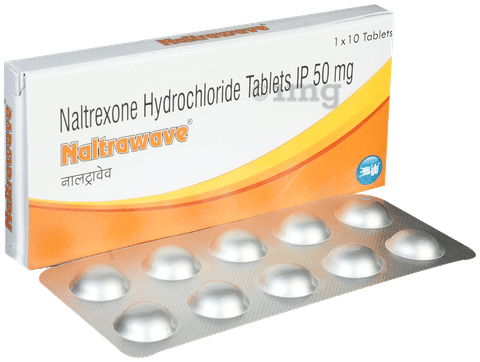
Naltrawave
Naltrawave Tablet
🇮🇳จำหน่ายในอินเดีย
tablet
ผู้ผลิตBrainwave Healthcare Pvt Ltd
แหล่งอ้างอิงเว็บ2 หน้า
สรรพคุณ / การใช้
อาการข้างเคียงที่พบ
ข้อมูลจากเอกสารกำกับยา ไม่ครบถ้วนทุกกรณี — โปรดปรึกษาเภสัชกรสำหรับรายละเอียดเต็ม
ส่วนประกอบ
Naltrexone (50mg)
1
Naltrexone
50mg
ฐานความรู้
Wikipedia
Naltrexone
Naltrexone, sold under the brand name Revia among others, is a medication primarily used to manage alcohol use and opioid use disorders by reducing cravings and feelings of euphoria associated with substance use disorder. It has also been found to be effective for the treatment of other addictions and may be used for them off-label. The combination naltrexone/bupropion is used to treat obesity.
Naltrexone ซึ่งจำหน่ายภายใต้ชื่อการค้า Revia และชื่ออื่น ๆ เป็นยาที่ใช้เป็นหลักในการจัดการความผิดปกติจากการใช้แอลกอฮอล์ (alcohol use disorder) และความผิดปกติจากการใช้ opioid (opioid use disorder) โดยการลดความอยากและความรู้สึกเมามัน (euphoria) ที่เกี่ยวข้องกับความผิดปกติจากการใช้สารเสพติด นอกจากนี้ยังพบว่ามีประสิทธิภาพในการรักษาการเสพติดอื่น ๆ และอาจใช้นอกเหนือข้อบ่งชี้ (off-label) สำหรับการเสพติดเหล่านั้น ยาผสม naltrexone/bupropion ใช้สำหรับรักษาโรคอ้วน
Grokipedia
Naltrexone
Naltrexone is a synthetic, non-selective opioid receptor antagonist medication approved by the U.S. Food and Drug Administration (FDA) for the treatment of opioid use disorder and alcohol use disorder.[1][2] It competitively binds to mu-, kappa-, and delta-opioid receptors in the central nervous system with highest affinity for the mu receptor, thereby blocking the pharmacological effects of endogenous and exogenous opioids without activating the receptors itself.[3][4] Naltrexone is indicated as a maintenance treatment for alcohol use disorder in patients who have achieved abstinence following detoxification. It is not indicated for the treatment or prevention of acute alcohol withdrawal symptoms, which are typically managed with benzodiazepines or other supportive care.[3][5] In this context, naltrexone attenuates the rewarding and reinforcing effects of alcohol by antagonizing mu-opioid receptors, thereby blocking the binding of endogenous opioids such as beta-endorphins released during alcohol consumption, which reduces dopamine release in the mesolimbic reward pathway and diminishes alcohol's euphoric and reinforcing effects.[6][3] Initially approved in 1984 as an oral formulation (ReVia) for preventing relapse in detoxified opioid-dependent patients, its FDA approval was expanded in 1994 to include alcohol dependence, followed by the authorization of an extended-release intramuscular injectable form (Vivitrol) in 2006 for alcohol dependence and 2010 for opioid dependenc
แหล่งข้อมูลจากหน้าเว็บ 2
N
Naltrexone - StatPearls - NCBI Bookshelf
ncbi.nlm.nih.gov · อันดับ 1
Naltrexone is an FDA-approved opioid antagonist used to treat alcohol use disorder and opioid dependence. It is a mu-opioid receptor antagonist and also a weake…
A
Naltrexone - Alcohol and Drug Foundation
adf.org.au · อันดับ 2
Naltrexone is a prescription drug belonging to the opioid antagonists group; it blocks the reward effects of heroin and other opioids and reduces cravings, and …